New Pálava Sanatorium Enters Trial Operation
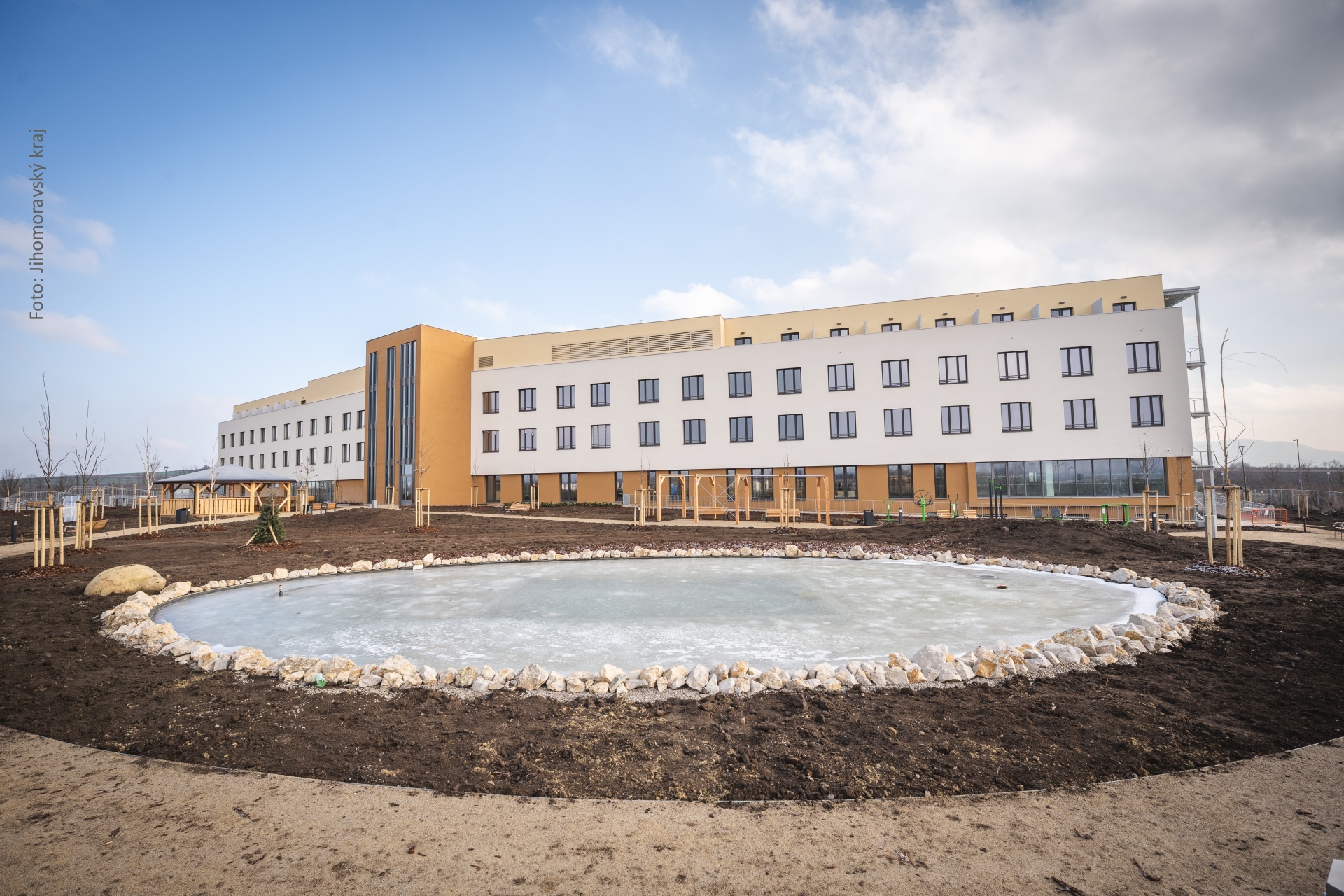
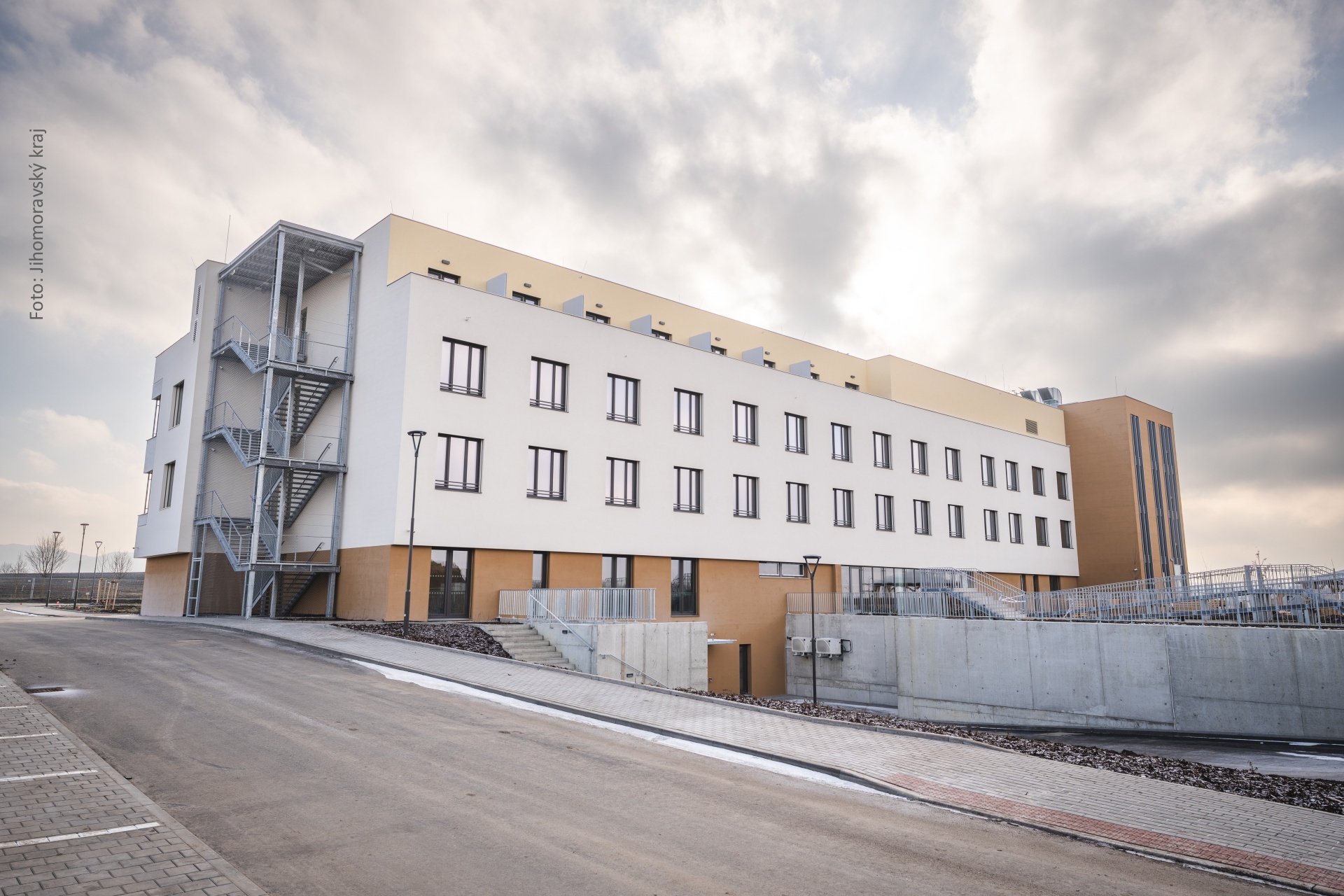
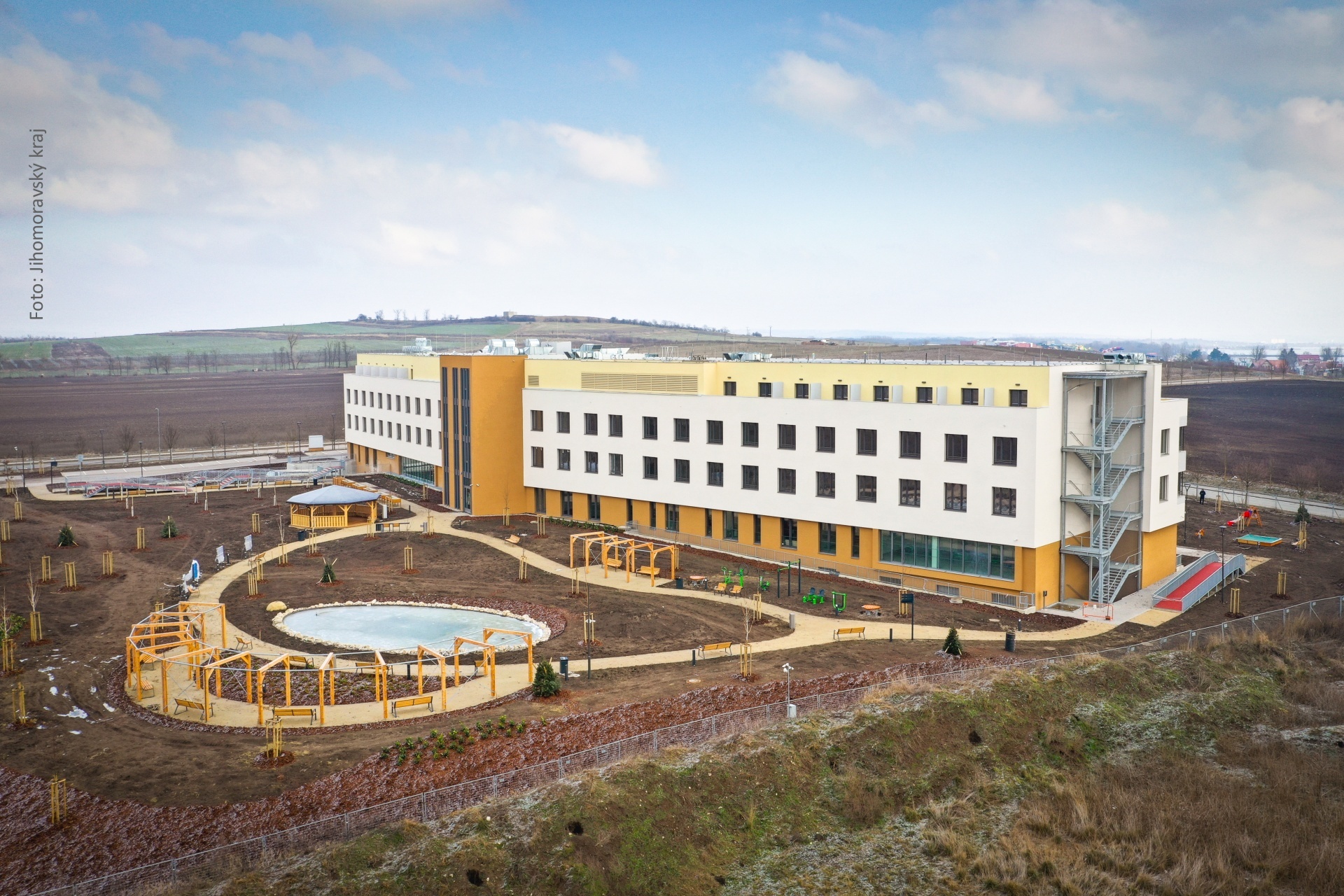
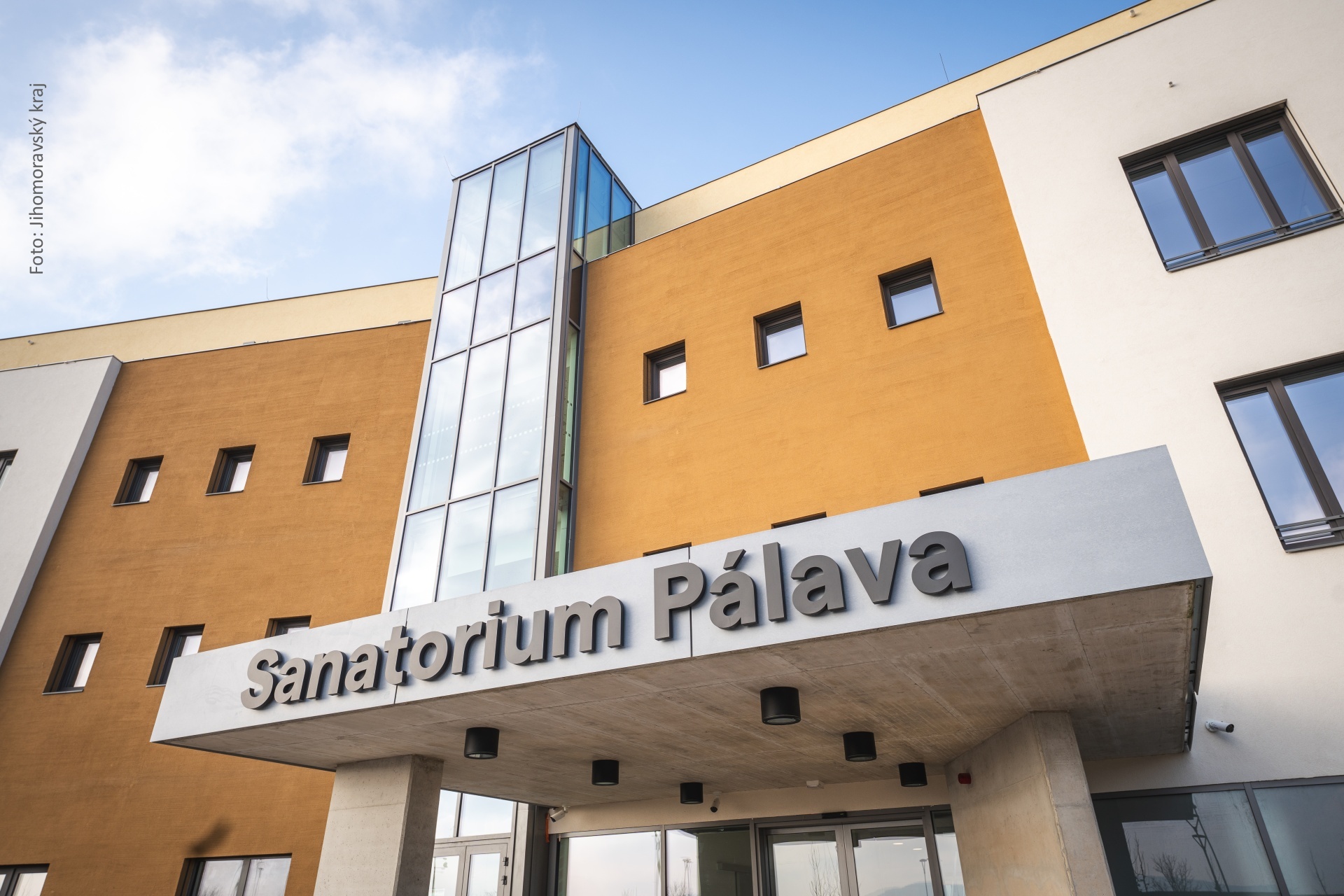
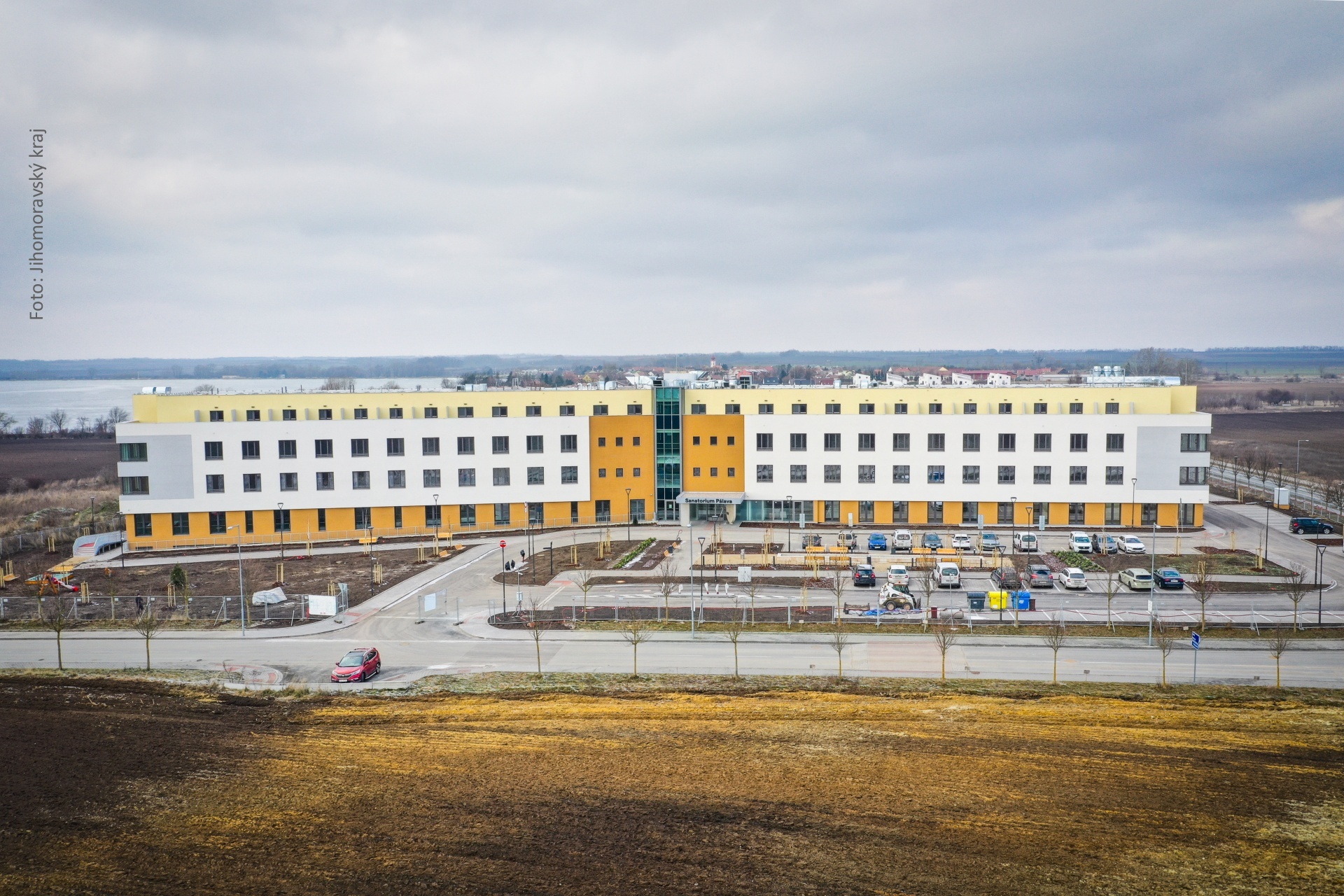
The specialised rehabilitation institute, whose construction cost 693 million CZK and was significantly co‑funded by the European Union, has subsequently been handed over to the management of Jihomoravská zdravotní, which now becomes the sanatorium’s operator. In the coming months, the facility will undergo trial operation, installation of medical technologies, and recruitment of professional staff.
“Today marks an important milestone – with the handover of the Pálava Sanatorium building, the project is moving from the construction phase to the phase of preparing full medical operations. I am convinced that this modern facility will significantly strengthen rehabilitation care in our region and offer patients state‑of‑the‑art conditions for treatment and recovery in the unique setting of the Pálava landscape,” said Governor Jan Grolich. During the trial operation, technical details will be fine‑tuned, the interoperability of technologies will be tested, and conditions set by the building authority for trial operation will be verified to ensure that all key systems are fully ready for daily functioning.
“We have succeeded in creating a building that meets all the demanding requirements of a modern medical facility. Moreover, we were able to complete this exceptionally large investment a full two months ahead of schedule, which is far from common with projects of this scale and is, objectively, a major achievement. Over the next period, interior furnishings and medical technologies will be installed, including robot‑assisted rehabilitation systems and the complete IT infrastructure, including the hospital information system without which no modern healthcare facility can operate. We are coordinating the handover of the building closely with Jihomoravská zdravotní, which is now assuming operational control of the completed facility, and we wish them a smooth start – as smooth as the construction itself,” said David Grund, Regional Councillor for Investments.
Modern Architecture in the Service of Treatment
As part of the Design and Build contract, the contractor focused on functionality and on creating a calm environment that supports the healing process. The essential architectural and urban design concept was to open up as many interior spaces as possible for patients and staff towards the surrounding landscape.
“Following the successful project of the Children’s Sanatorium in Ostrov u Macochy, this is the second project delivered using the Design and Build method for the South Moravian Region. Together with our consortium partner, SPIE Stangl Technik, we are pleased to have completed and handed over the sanatorium within the agreed deadline. The Design and Build approach enabled us to design and construct the building to a high energy standard, ensuring minimal energy consumption during operation while respecting the site’s climatic conditions and maximising the use of renewable energy sources,” explained Zdeněk Pokorný, Chairman of the Board of VCES a.s.
“Alongside the building itself, we are also handing over to the South Moravian Region a BIM model reflecting the as‑built condition, including all non‑graphic data. This model, combined with a CAFM (Computer‑Aided Facility Management) system, will enable highly efficient operation and maintenance of the sanatorium, which incorporates a number of complex technologies,” added project manager Jiří Cetkovský.
For patient treatment, the Pálava Sanatorium will utilise a unique natural healing resource – a highly mineralised sulphur thermal water of the chlorido‑sodium type with a high content of sulphides, iodides and fluorides. The water rises to the surface from a depth of 1,455 metres and retains a natural temperature of around 40 °C even after its long journey through geological layers. This combination of natural heat and a high concentration of active substances creates ideal conditions for modern balneotherapy. It will be used primarily for patients with musculoskeletal and neurological conditions, including complex post‑injury or post‑operative states of the spine, spinal cord and brain, with the aim of accelerating their return to a fuller quality of life.
Building the Sanatorium Team
Alongside operational preparations, intensive work is underway to build the entire sanatorium team.
“We now especially need to expand our medical team, clinical psychologists, clinical speech therapists, physiotherapists and medical masseurs. We are looking for colleagues who want to be part of the launch of a new rehabilitation facility and who wish to co‑create an environment based on expertise, multidisciplinary cooperation and respect for patients. All current job opportunities can be found on our website, www.sanatoriumpalava.cz, in the Careers section,” said Antonín Vodák, Director of the Pálava Sanatorium.
In parallel with operational preparations, all statutory authorisations for the provision of healthcare services will be secured, and negotiations with health insurance companies on contracting care will be completed. Support services will also be arranged, such as laboratory capacities, patient transport, energy supplies and public transport access to the site. The official opening of the specialised rehabilitation institute is expected to take place smoothly, with a fully prepared team and facilities ready to welcome the first patients in summer this year.
The “Pálava Sanatorium” project is co‑financed by the European Union through the Recovery and Resilience Facility under the Czech National Recovery Plan.