VCES on the Path to Decarbonising the Construction Industry: Materials Play a Key Role for Contractors

Focus on the Most Commonly Used Materials: Concrete and Steel
Concerns about high initial investments, the complexity of modern technologies and the lack of institutional support remain among the main reasons why some construction companies hesitate to introduce change. Yet the first step is straightforward: focus on selecting the right materials.
“Indirect emissions account for 97% of CO₂ eq[3]. emissions in construction. About 55% of these emissions are generated during the operation of completed buildings, while the remainder is linked to the materials used during construction. Given the nature of our work, materials give us the greatest opportunity to influence the resultant carbon footprint, which is why we focus our efforts primarily in this area,” explains Jakub Škaloud. Since concrete and steel are the dominant high impact materials in construction, they represent the most logical starting point.
Not All Concrete Is the Same: Different Cement Types Help Reduce Carbon Footprint
The most commonly used cement type is Portland cement CEM I, which also has the highest carbon footprint. Emissions can be reduced by choosing cement types with alternative blends and lower carbon footprints. For comparison:
- CEM II (Portland composite cement) has a 17.3% lower carbon footprint,
- CEM III (blast furnace cement) 37.5% lower,
- CEM V (composite cement) up to 50% lower.
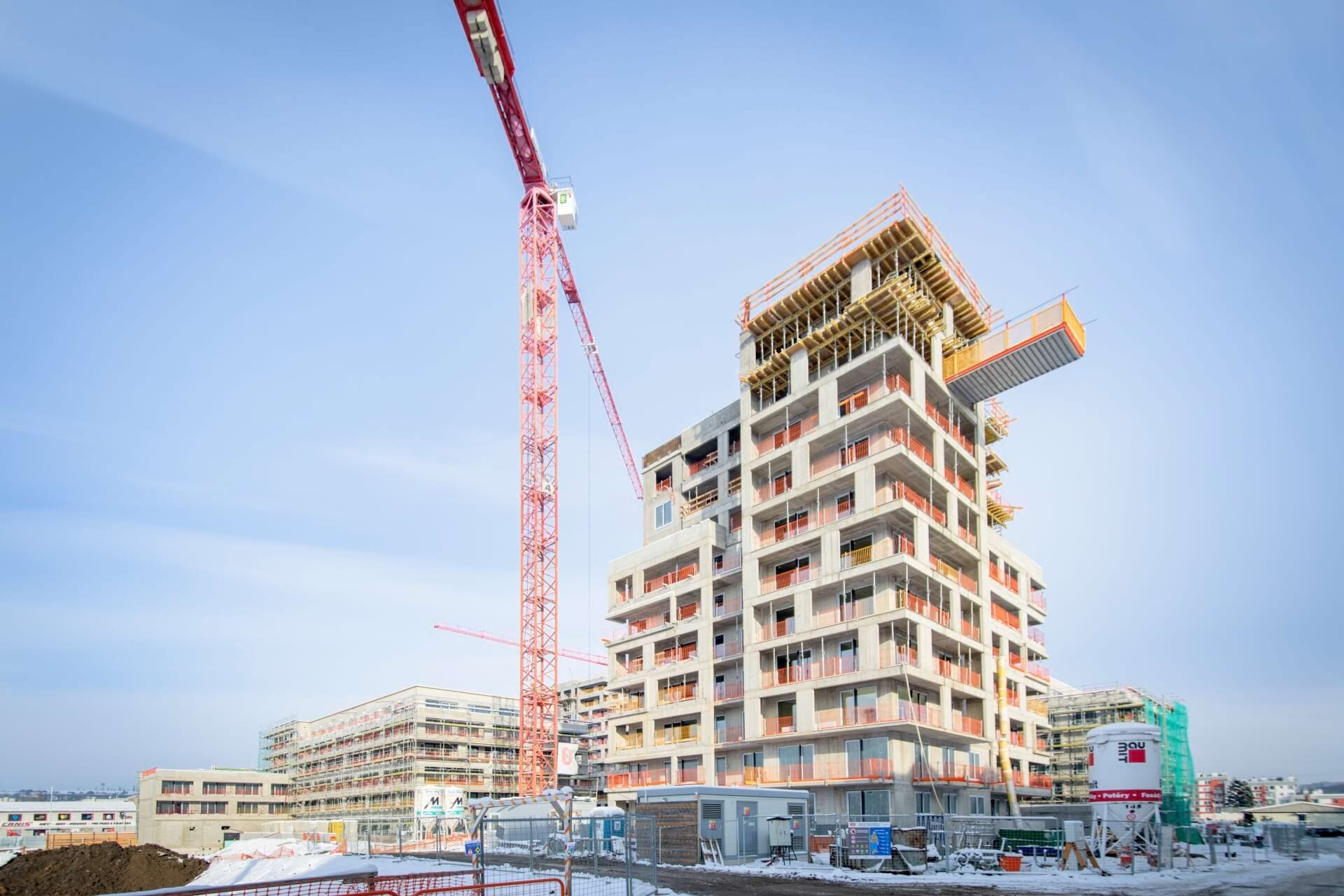
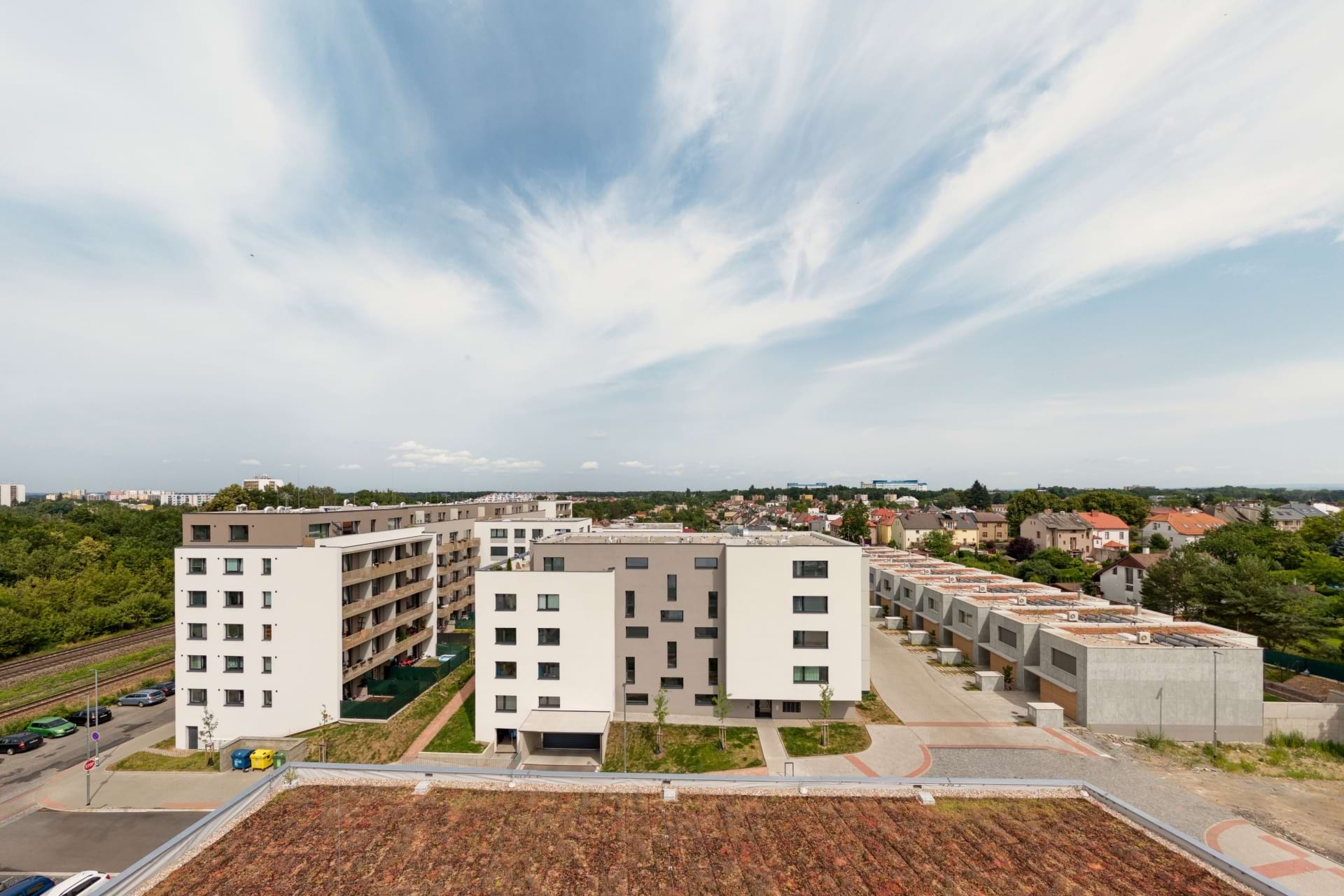
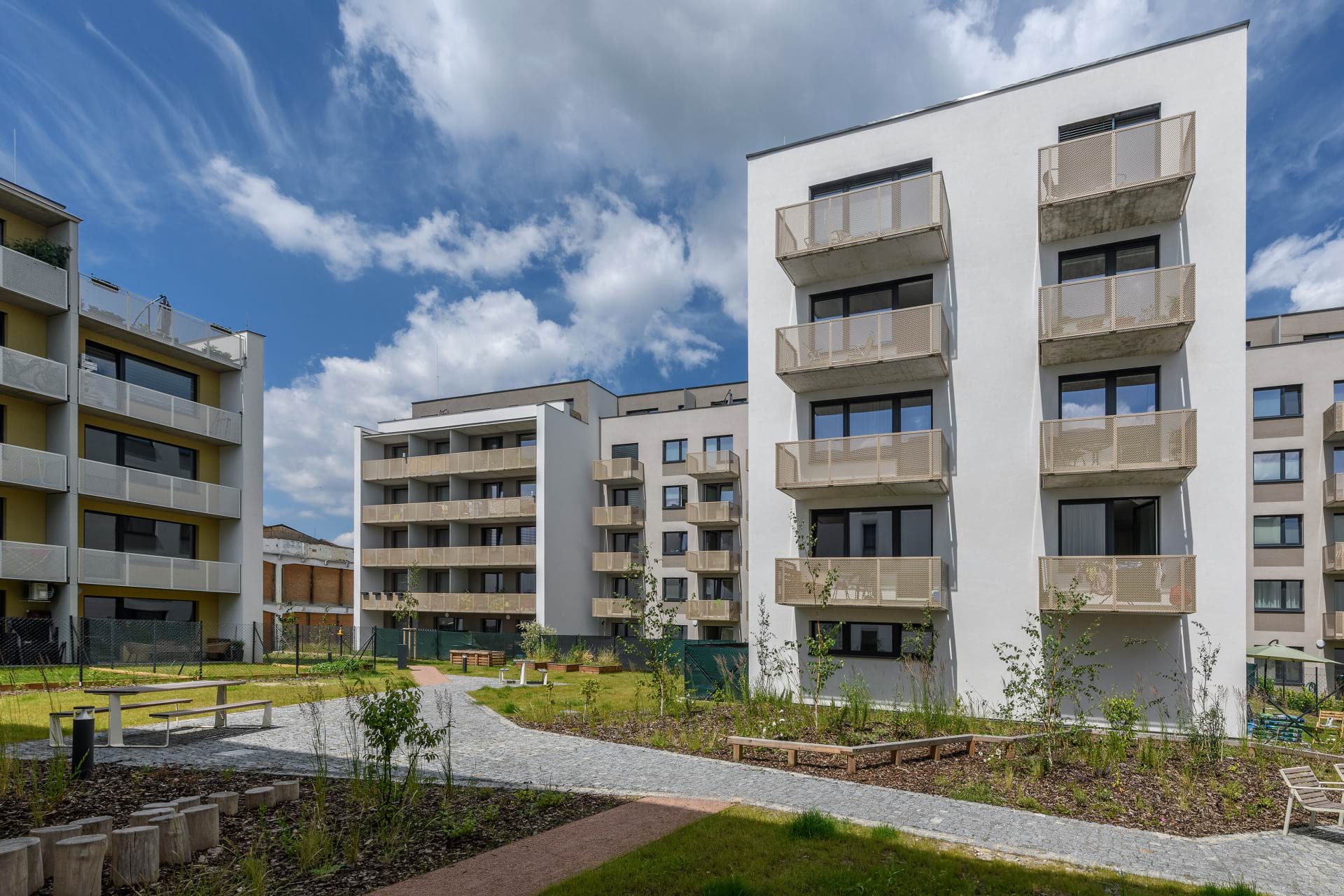
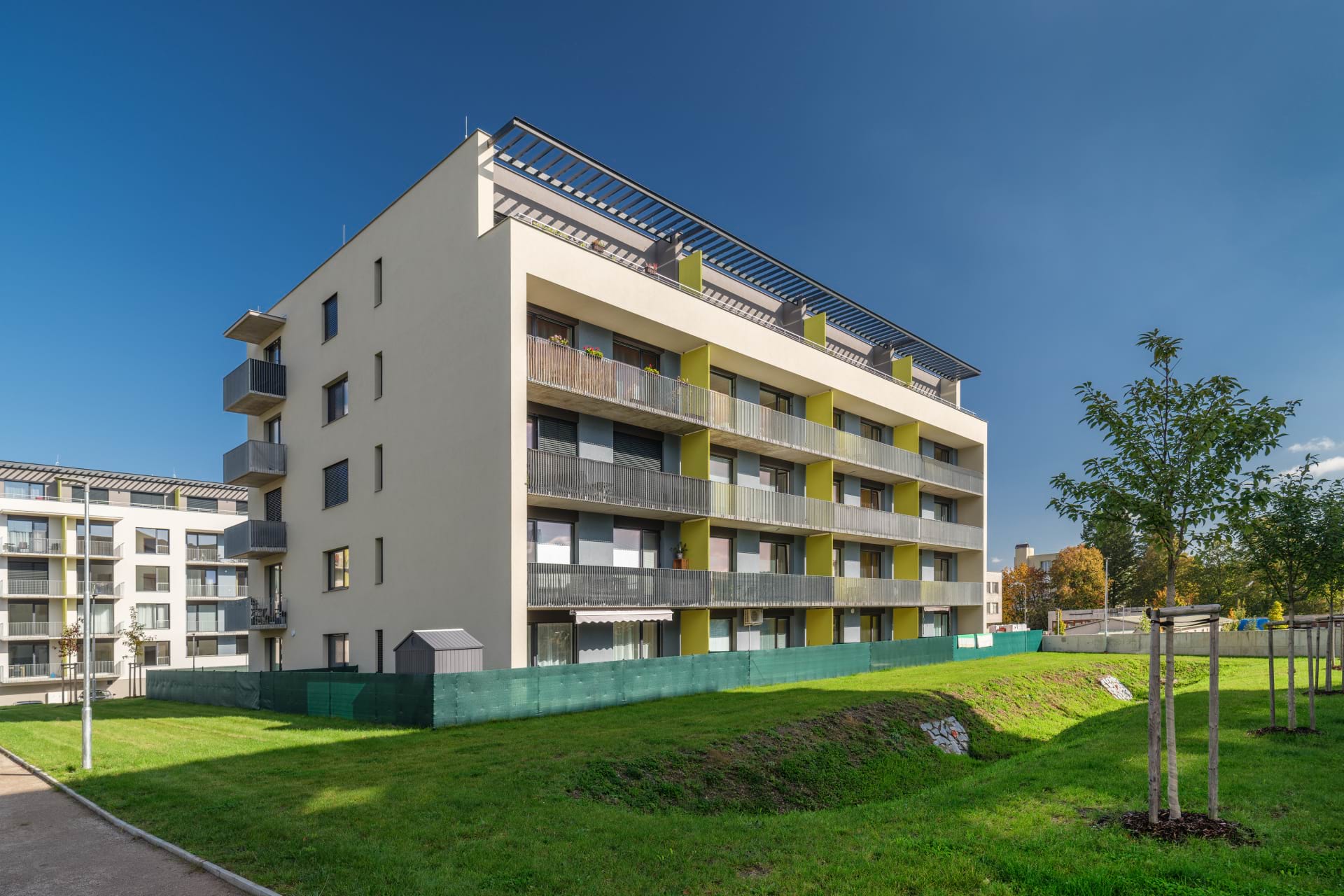
“It is true that the most environmentally friendly cement, CEM V, cannot be used universally in all structural applications. For example, in slabs, its use may lead to excessive deflections under load. However, our experience shows that with correct design, it can be successfully applied in many situations,” says Škaloud. VCES has used low carbon concrete Vertua by Cemex on several projects, including the residential developments Nová Tesla in Pardubice for Linkcity, Tesla Hloubětín in Prague for Central Group, and the Hloubětín tram depot for Prague Public Transport Company. The company plans to use it in further upcoming projects.
“Since 2021, we have reduced the volume of concrete mixes containing CEM I cement by 99.3%. Combined with a higher share of other cement types, we cut the carbon footprint of our concrete mixes by 22.3% by 2024, saving nearly 2,430 tonnes of CO₂ eq.,” says Škaloud. Future developments look even more promising: since 2019, parent company Bouygues Construction has worked with Hoffmann Green Cement Technologies to develop and test concrete using the breakthrough H EVA cement technology. Unlike most low carbon cements, which rely on blast furnace slag—a resource limited in availability and unevenly distributed globally—the H EVA technology uses calcined clays with far greater potential. The aim is to achieve a carbon footprint 70–80% lower than traditional Portland cement. The new formulation has already been successfully trialled on 15 Bouygues Immobilier projects across France.
For Steel, the Production Method Is Crucial
Another material offering significant potential for CO₂ reduction is steel. The key factor is the production method. Traditional steelmaking involves processing pig iron and scrap in blast furnaces. A more environmentally friendly alternative is electric arc furnace (EAF) production, which melts scrap and/or direct reduced iron using electricity—potentially from renewable sources such as solar or wind energy.
“Steel produced in electric arc furnaces has a 35.3% lower carbon footprint than steel made in conventional blast furnaces. Since 2023, 81% of the reinforcement steel we purchase comes from EAF production, reducing our carbon footprint in this area by 28.6%,” Škaloud notes.
Further Tips for Sustainable Construction Solutions
Concrete and steel are not the end of the story. VCES also explores alternative construction methods and natural materials to reduce the overall carbon footprint. A prime example is the use of timber structural systems, which can deliver up to a 20% reduction compared with traditional reinforced concrete. Timber also reduces heating costs due to higher surface temperature and has proven health benefits, including lower stress levels and reduced airborne bacteria and viruses—especially beneficial for allergy and asthma sufferers. The pilot timber project for VCES in the Czech Republic is a residential building at Nová Tesla in Pardubice for Linkcity, due to start this spring. Timber is ideal for CO₂ savings: it stores carbon during growth and CLT panel production has a minimal carbon footprint. Additionally, CLT panels for Nová Tesla will be sourced locally from Stora Enso in Ždírec nad Doubravou, minimising transport related emissions.
Recycling also plays a major role in VCES’s strategy. “For brownfield revitalisation, we use sub base concrete containing recycled demolition concrete. This material is crushed to the required fraction and reused either in concrete mixes or as base layers for paved areas, reducing unnecessary landfill disposal,” Škaloud explains.
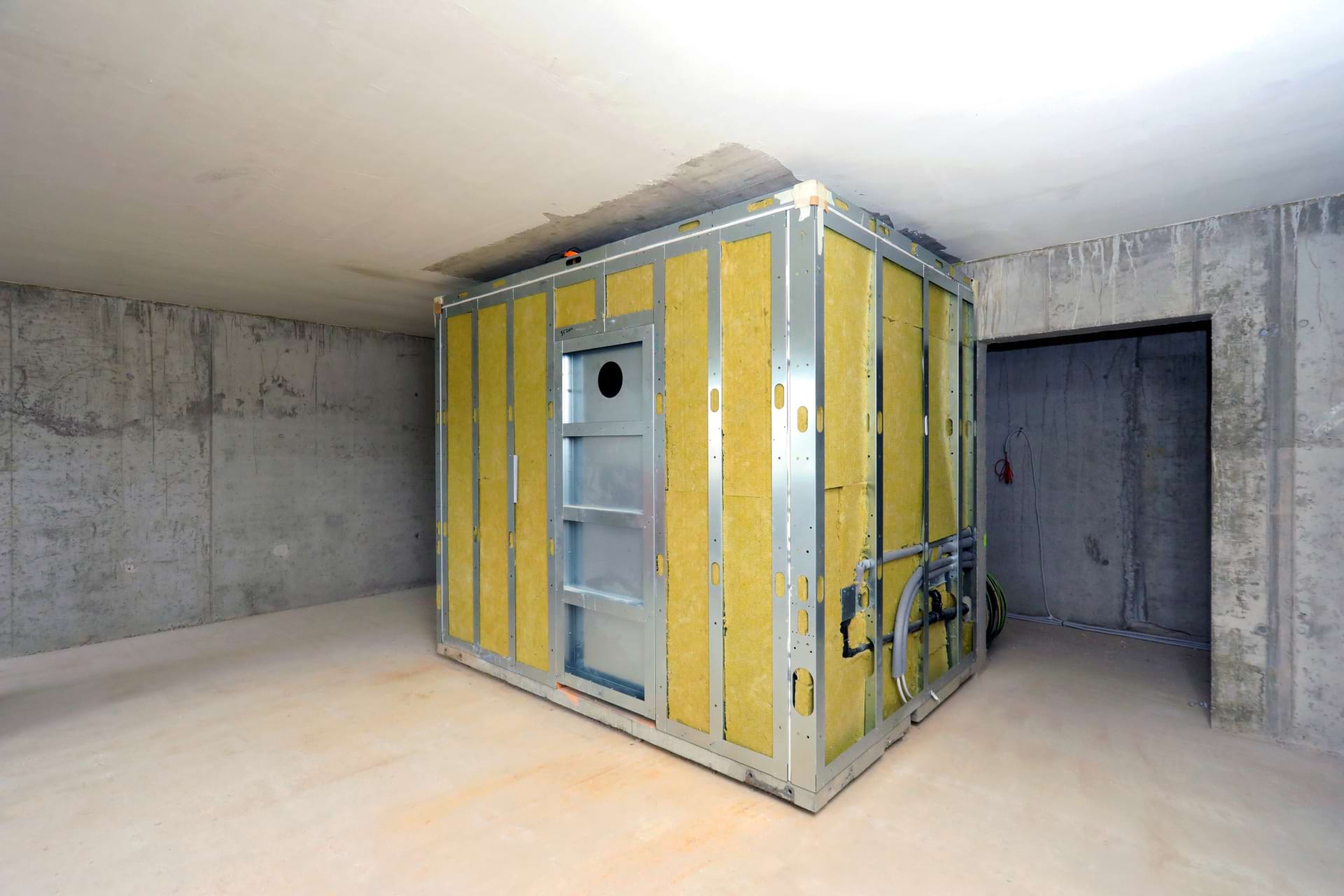
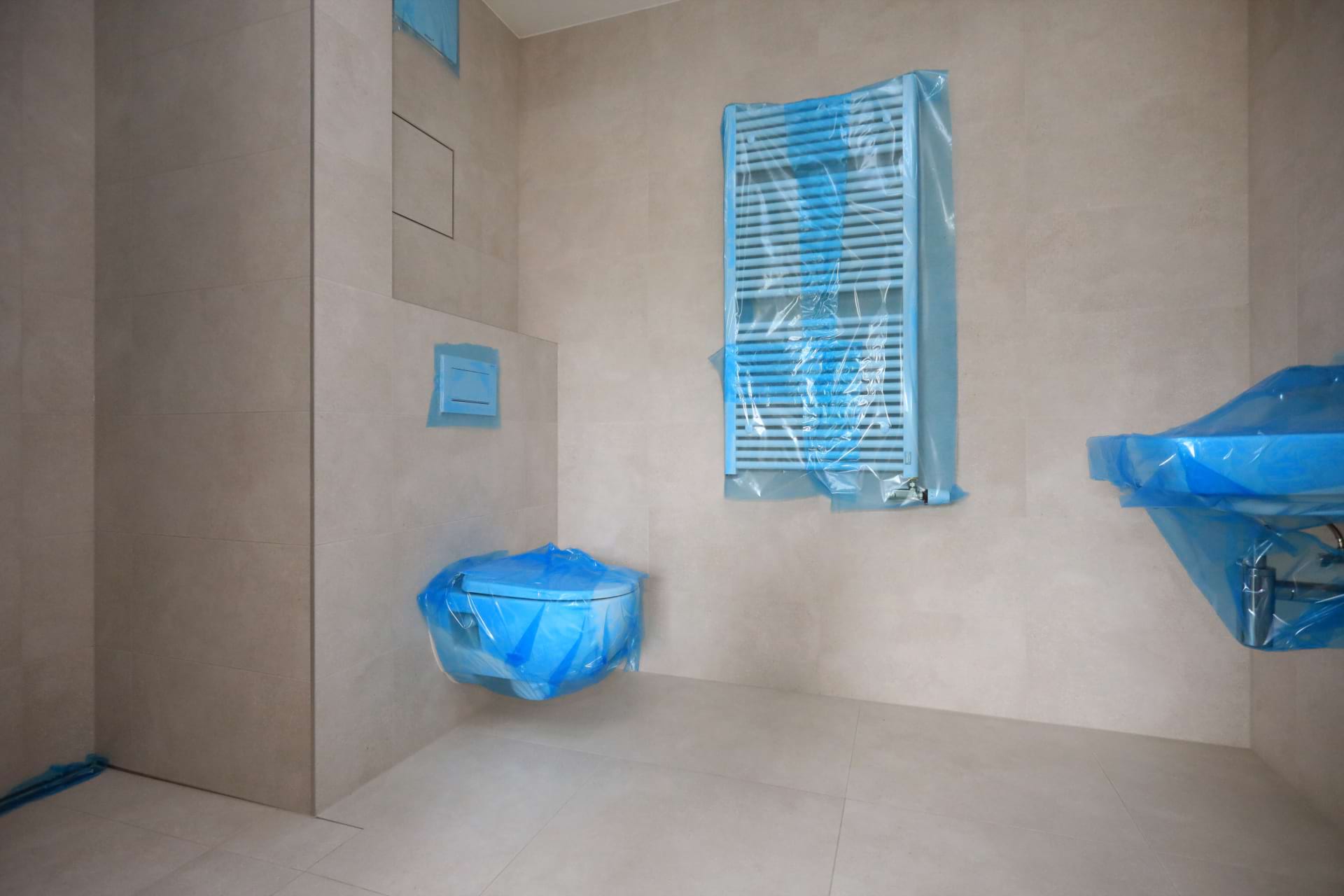
Another key measure is the use of modular solutions such as prefabricated utility shafts and modular bathrooms. These approaches improve material efficiency and reduce carbon footprint. Fully prefabricated bathrooms—including floor, walls, ceiling, fixtures and tiles—are already widely used in Western Europe and are increasingly common in the Czech market. “There is a major difference between installing a ready made bathroom and building one from scratch on site. Prefabricated bathrooms require no alterations on site: they’re delivered, lifted into place and simply connected to the utilities. We tested this on the latest phase of the Chrudimpark residential project for Linkcity, saving time, labour and emissions. We are considering using them again for the final project phase,” says Škaloud.
VCES calculates the carbon footprint of every building it delivers. For now, this is voluntary, but from 2028 all new buildings over 1,000 m² will be required to provide this calculation as part of their energy performance certification. From 2030, this obligation will apply to all new buildings. “If we fail to significantly reduce CO₂ emissions this decade, the risk of irreversible impacts on the environment, society and the economy will increase dramatically. That is why we are acting responsibly and taking the necessary steps within VCES and the Bouygues Construction Group today. We want to be prepared for future requirements, strengthen our competitiveness and inspire others—partners and subcontractors—who are still unsure how to begin,” Škaloud concludes, noting that according to the latest CEEC Research survey, 42%[4] of Czech construction companies plan to expand their decarbonisation activities over the next five years.
As part of the Bouygues Construction Group, VCES is committed to reducing direct greenhouse gas emissions by 40% and indirect emissions by 30% by 2030. The Science Based Targets initiative (SBTi) has confirmed that these targets align with the Paris Agreement. To meet them, VCES is adapting its processes across its own development projects as well as projects delivered for clients.
[1] It serves as a key tool for reducing the impacts of climate change, protecting natural resources and strengthening the energy security of EU Member States, including the Czech Republic. Its main objective is to achieve carbon neutrality by 2050. The concept of net zero does not mean eliminating all emissions entirely, but rather balancing emitted greenhouse gases with measures that remove or offset an equivalent amount. For more information, see: https://www.europarl.europa.eu/topics/cs/article/20190926STO62270/uhlikova-neutralita-dosahneme-ji-do-roku-2050.
[2] Source: https://www.sciencedirect.com/science/article/abs/pii/S0378778819311387.
[3] kg CO₂‑eq. (carbon dioxide equivalent) is a unit used to express the impact of different greenhouse gases on global warming.
[4] Source: Results of a survey conducted by the analytical company CEEC Research in cooperation with the Czech Business Council for Sustainable Development in December 2024 (for more information, see the document “Serious State of Decarbonisation in the Construction Sector” available at https://ceec.eu/media/?rok=2024).